
Preserving Heritage at Karangturi Intersection: Blengep, a Traditional Cake That Still Survives



Kaleidoscope, — In the midst of rapid modernization and the rise of instant lifestyles, there is a small corner of Indramayu that still offers the comforting aroma of nostalgia every morning. Right at the Karangturi intersection, beside Indomaret Karangturi, a middle-aged woman with a warm smile and a modest cart has become part of the daily rhythm of the local community.
Her name is Rasiyem, a resident of Pecuk Block, Rambatan Kulon Village, Sindang District, Indramayu Regency. For more than two decades, she has faithfully sold traditional Indramayu snacks, including one delicacy that is now becoming increasingly rare: blengep.
I, Dewinta Ayuning Zulfa, had the opportunity to interview Mrs. Rasiyem. That morning, the day was still young. It was only 7:15 a.m., yet several customers had already lined up to buy the neatly arranged traditional cakes displayed in transparent plastic containers.
“Early in the morning like this, blengep is always the best seller,” Mrs. Rasiyem said while serving customers.
Blengep: Affordable, Filling, and Full of Memories
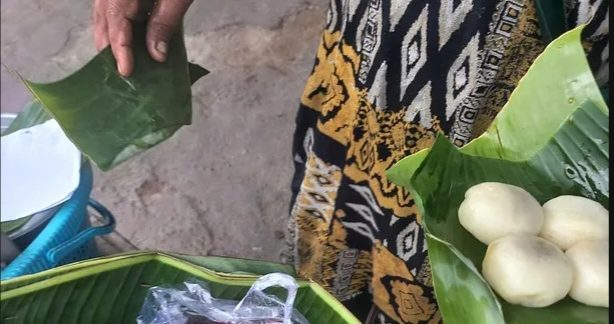
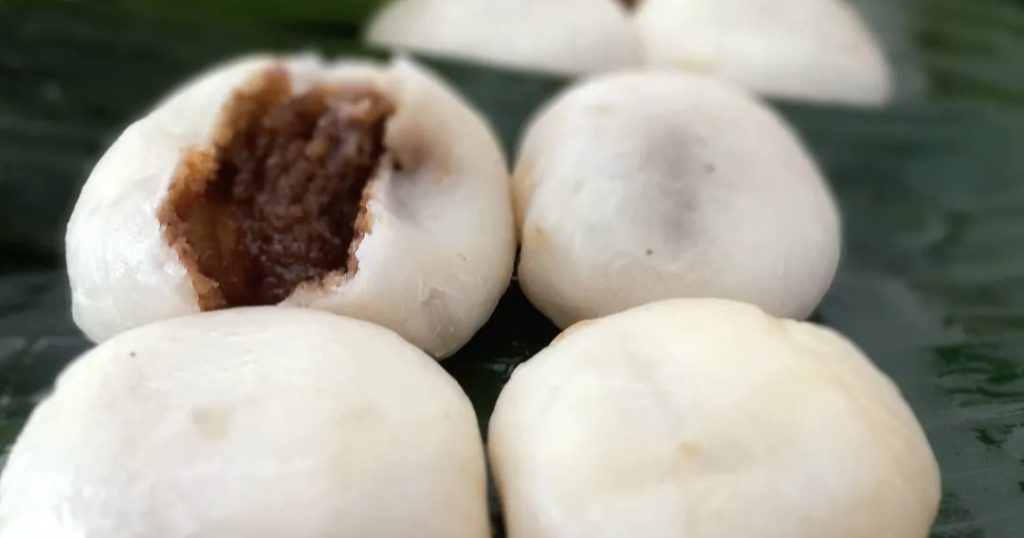
Priced at only Rp 3,000 for four pieces, blengep has become an ideal breakfast choice for many people in Indramayu. This traditional cake is made from simple ingredients such as glutinous rice flour, palm sugar, and grated coconut—yet its taste is truly delightful. Its soft texture combined with natural sweetness makes anyone want to taste it again.
Although it may look simple, blengep carries rich flavors and cultural history. In the past, this snack could easily be found in traditional markets. Today, however, the number of sellers can almost be counted on one hand.
“Nowadays, very few people sell it. Young people prefer modern trendy cakes, even though this used to be everyone’s favorite snack,” she said softly, while still smiling.
Traditional Cakes That Accompany Blengep
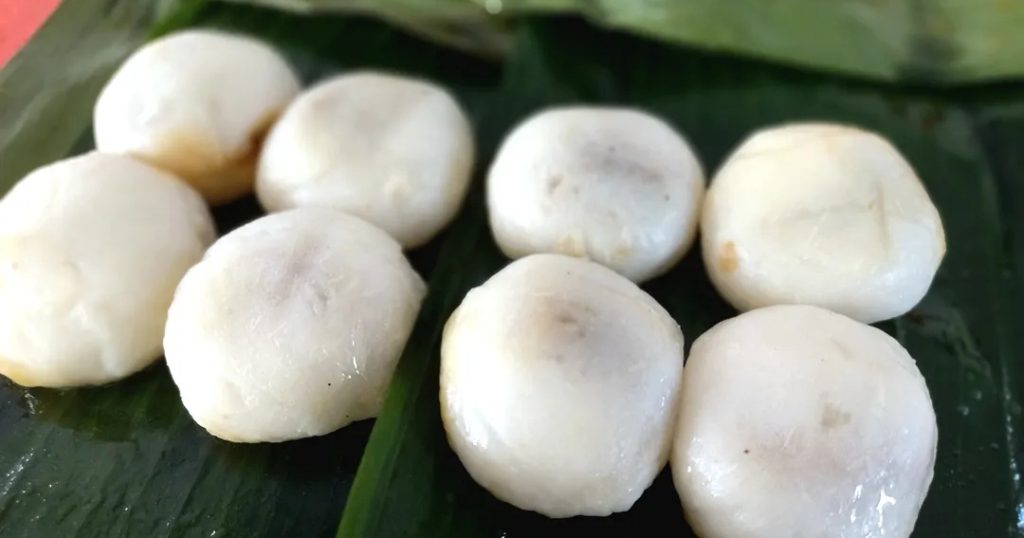
Besides blengep, Mrs. Rasiyem also sells various other traditional Indramayu delicacies. There are geblog putih and geblog ireng, known for their chewy and savory texture, blencong filled with banana or fermented cassava, ketan abang and ketan ireng with their rich sticky-rice flavor, as well as sweet and chewy candil.
All of these traditional snacks are homemade by Mrs. Rasiyem herself, using family recipes passed down through generations and without any preservatives. Every day, she starts selling from 7:00 a.m. until around 9:00 a.m., or until everything is sold out. Her spot has never changed: the Karangturi intersection, right beside Indomaret.
More Than Just Selling Food
For Mrs. Rasiyem, selling traditional cakes is not merely about earning a living; it is also a way of preserving local culinary heritage. She realizes that very few people are willing to continue the tradition of making these traditional snacks. Many young people are more interested in modern businesses or viral products on social media. Therefore, as long as she still has the strength, she will continue selling.
“I’m happy to see that people still enjoy traditional cakes. Hopefully, someone will continue this tradition in the future,” she said, her eyes shining with hope.
Preserving Local Wisdom Through Traditional Morning Snacks
Interviewing Mrs. Rasiyem offered a valuable lesson: local wisdom does not always appear in grand or magnificent forms. Sometimes, it lives quietly in a warm piece of blengep enjoyed by the roadside on a peaceful morning.
Behind its simplicity lie values of perseverance, dedication, love for ancestral heritage, and a deep commitment to preserving regional cultural identity. As long as people like Mrs. Rasiyem continue to exist, these traditions will never truly disappear.
As the younger generation, we should learn from people like her, not only by buying traditional cakes, but also by retelling stories like this, so they will not be lost to the passage of time.

Seorang guru Bahasa Inggris di sekolah swasta yang juga aktif sebagai Tentor literasi Bahasa Inggris. Suka membaca, diskusi, deep talk, menulis, menonton film kemudian menyelami narasinya, jalan-jalan, dan seorang yang antusias pada olahraga, sebab kombinasi antara intelektual dan latihan fisik konsisten adalah motor penggerak utama dalam berkarya.


 Anindyka Shah

 Hubaib Rohmatullah