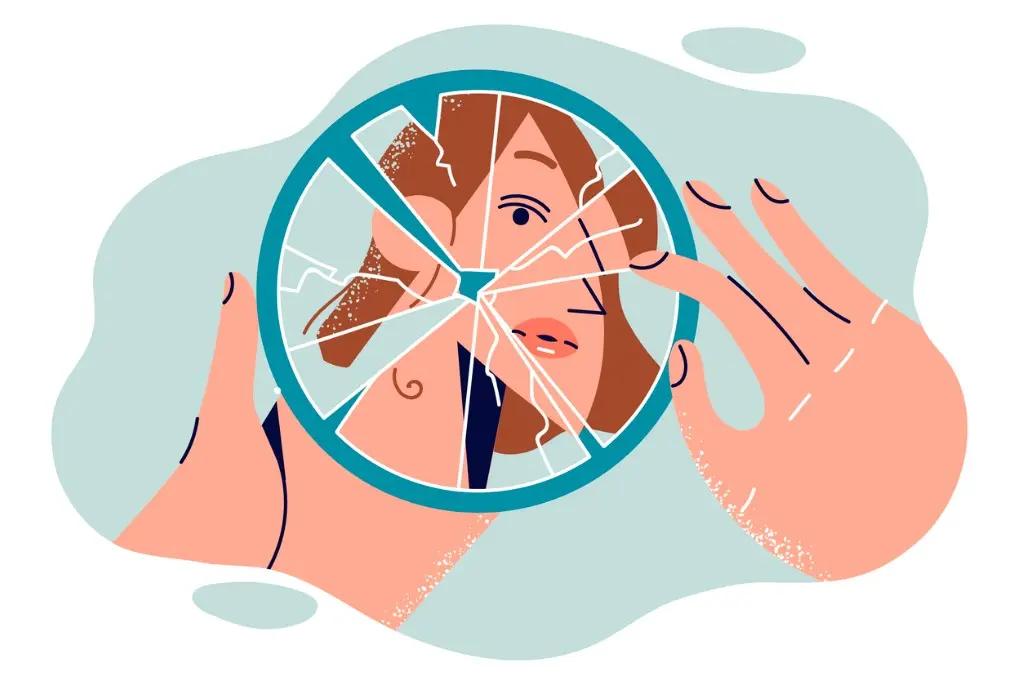

KALEIDOSCOPE, — Dealing with heartbreak requires allowing yourself to grieve without judgment, enforcing strict no-contact boundaries with your ex, and actively redirecting your energy toward self-care. It is a non-linear process that takes time, but focusing on yourself will help you heal.
Here’s the things that you must know after heartbreaking:
1. Process Your Emotions
- Give yourself permission to feel: Suppressing your emotions will only prolong the pain. Accept that you will experience waves of sadness, anger, or confusion, and let yourself cry when you need to.
- Avoid over-analyzing: While reflection is helpful, endlessly replaying the breakup or seeking a “perfect explanation” usually leads to rumination. Trust your own perception of why things ended and try to put the question to rest.
- Recognize the difference between loss and ego: Sometimes, heartbreak is rooted in wounded pride and self-worth. Be honest with yourself about whether you miss the person, or just the idea of them.
2. Establish Strict Boundaries
- Go no contact: Avoid calling, texting, or “checking in” on your ex. Give yourself the critical space and distance required to emotionally detach.
- Limit social media: Unfollow or block your ex to avoid the temptation of monitoring their life. Constant reminders will only disrupt your progress.
3. Rebuild and Nurture Yourself
- Focus on physical health: Prioritize regular exercise, healthy eating, and adequate sleep. Physical well-being directly impacts psychological distress.
- Engage in new hobbies: Redirect your emotional energy into activities you enjoy or new hobbies. This can give you a natural dopamine boost and provide a sense of purpose.
- Lean on your support system: Spend time with friends and family to combat isolation
4. When to Seek Professional Support
If the grief feels unmanageable, consider talking to a counselor or mental health professional. Even a few sessions can provide you with practical tools to cope with the transition. You can use the American Psychological Association (APA) Psychologist Locator to find a licensed therapist in your area
The intense suffering of heartbreak is a biological and psychological reality, not just an emotional metaphor. Your brain and body react to a breakup the same way they react to physical injury or chemical withdrawal.
Then, what will happen to your body?
1. The Brain Registers It as Physical Pain
- Shared pathways: Brain scans show that rejection activates the same neural pathways as physical pain.
- Real physical symptoms: Your brain releases stress hormones that can cause chest tightness, stomach aches, and nausea.
- Broken heart syndrome: Severe emotional stress can temporarily weaken the heart muscle, mimicking a heart attack.
2. Your Body Goes Through Chemical Withdrawal
- Dopamine crash: Being in love floods your brain with feel-good chemicals like dopamine and oxytocin.
- The “cold turkey” effect: When the relationship ends, these hormone levels plummet instantly.
- Craving the ex: Your brain experiences a state similar to drug withdrawal, driving you to obsessively seek out your ex.
3. Your Nervous System Overloads
- Fight-or-flight activation: The shock of heartbreak triggers your sympathetic nervous system.
- Cortisol flood: Your body pumps out excess cortisol, the stress hormone, over a prolonged period.
- System fatigue: High cortisol levels disrupt your sleep, lower your immune system, and cause deep exhaustion.
4. Your Identity is Disrupted
- Loss of the future: You are not just losing a person; you are losing the future plans you built together.
- Ego threat: Rejection forces you to question your self-worth and desirability.
- Routine shatter: Your daily habits and social structures are suddenly gone, leaving a confusing void.
Here’s The Core Takeaway
- Accept the pain: Your brain is experiencing real physical pain and chemical withdrawal; do not rush yourself.
- Cut the ties: Strict no-contact and digital boundaries are mandatory to let your nervous system calm down.
- Rebuild your life: Fill the sudden empty time with routine, self-care, and personal goals.
- Reclaim your power: Closure comes from your own choice to heal, not from your ex.
Heartbreak is a physical and psychological crisis, but it is ultimately a survivable transition. You can pass the phase.